
Rotarians Monitor the State of the Environment
Beach Litter Monitoring
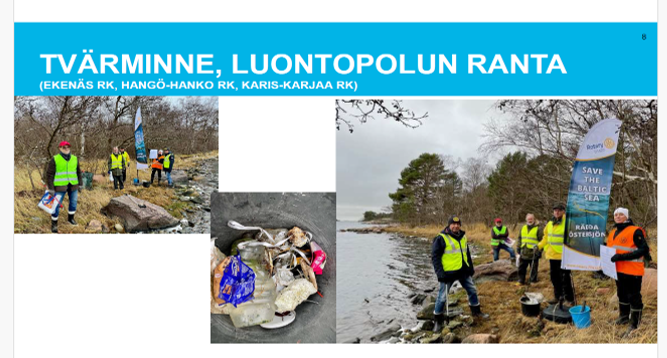
Rotary clubs participate in the “Beach Litter Monitoring and Reporting” study conducted by the Finnish Environment Institute (SYKE).
The monitoring is part of a Europe-wide programme that examines how much and what type of litter reaches beaches from the sea. The data are used in marine environmental assessments and in evaluating the effectiveness of measures aimed at reducing marine litter in Finland and internationally.
Litter is collected three times per year from selected coastal areas measuring 100 m × 10 m. The waste is sorted, classified and reported to the Finnish Environment Institute.
In our district, litter is currently collected at Kruunuvuorenranta, with participation from Helsinki City West Rotary Club, Herttoniemi Rotary Club, Finlandia Hall Rotary Club, and Rotaract Club. Monitoring is also carried out at Tvärminne beach, where the Rotary clubs of Hanko, Karis-Karjaa and Ekenäs participate.
Further information: : Outi Ritvala, Rotaryklubi Helsinki City West
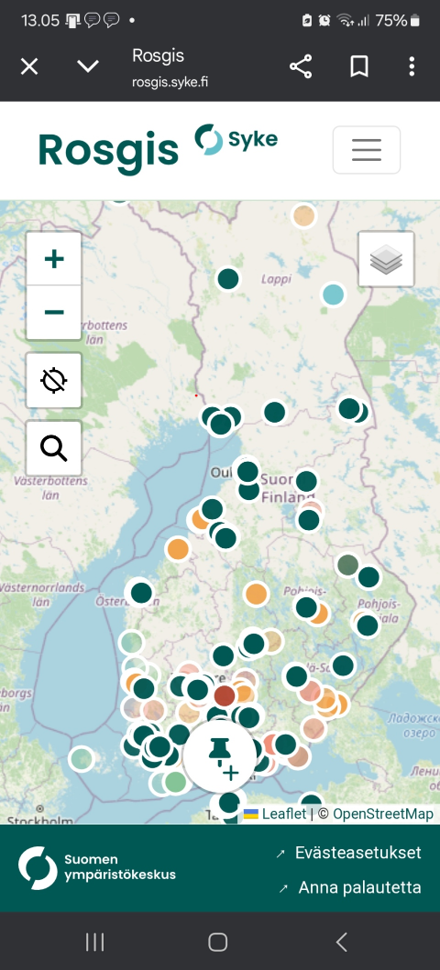
Rosgis Application
Rosgis is a service provided by the Finnish Environment Institute that allows anyone to report litter found in the environment. These observations help researchers identify the origins of waste and prevent litter from reaching nature.
.
Baltic Herring Rowing Event
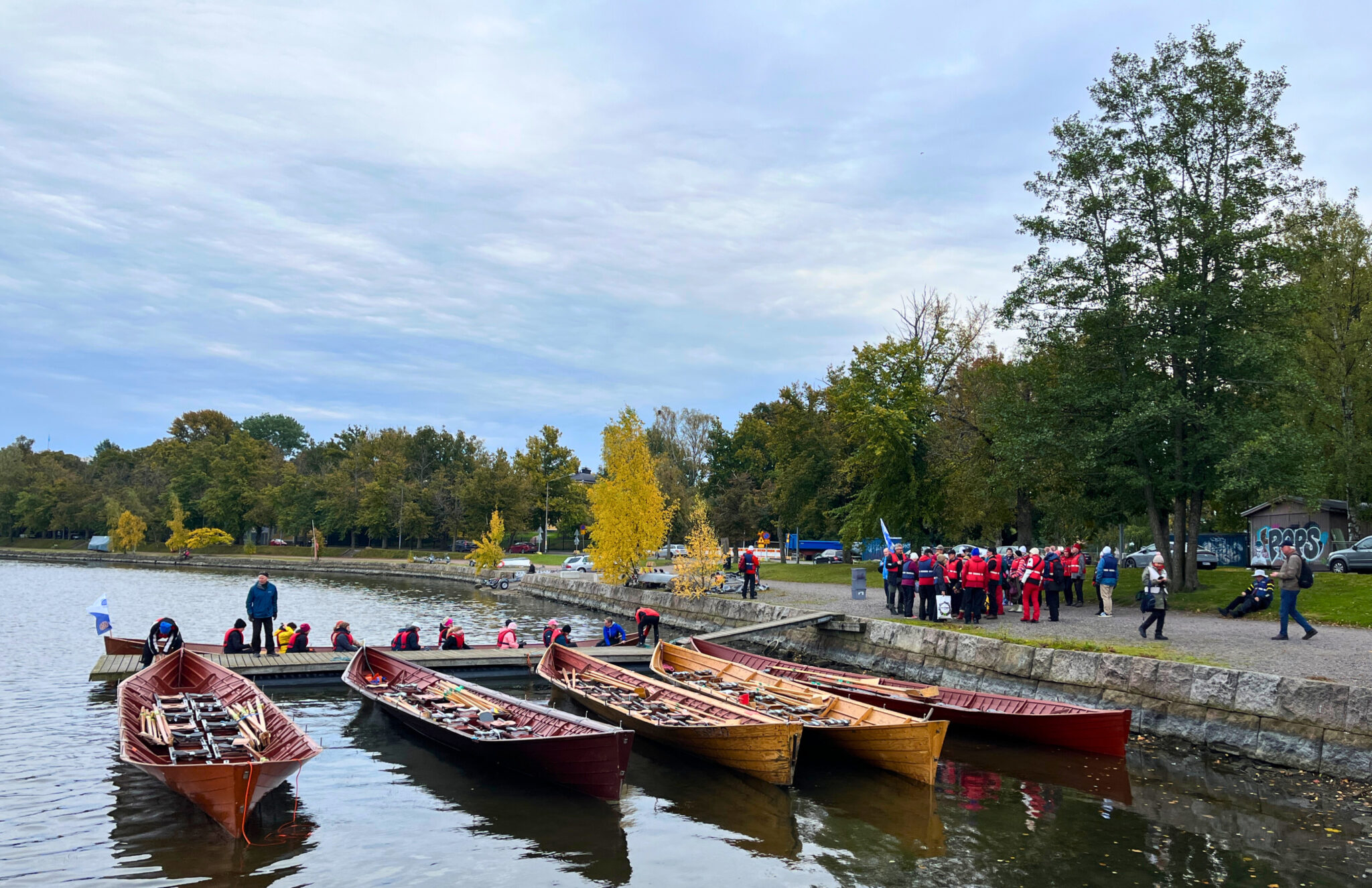
The Baltic Herring Rowing and Herring Hike event is a fundraising and recreational activity aimed at increasing awareness of the Baltic Sea.
Rotary clubs and partners row church boats or hike to raise funds for water protection projects. Over the years, approximately €100,000 has been raised for water protection work.
Since 2013, the event has been organised by the following Rotary clubs: Finlandia Hall and its satellite clubs, Helsinki Baltic Sea, Helsinki International, Helsingin Koillinen, Herttoniemi–Hertonäs,Meri-Espoo, Riihimäki–Hausjärvi, and Vantaa–Myyrmäki. The Rotary District 1420 of Southern Finland and Estonia also participates.
Further information: Markku Tahkokorpi, Meri-Espoon Rotaryclub
Cyanobacteria Monitoring
Rotarians participate in the national cyanobacteria (blue-green algae) monitoring programme.
Observations are recorded as geographic data in the open Järvi-Meri-Wiki database. The cyanobacteria situation map shows observations from approximately 400 monitoring locations, most of which are public bathing beaches.
The situation is assessed weekly at each observation site. However, conditions can change quickly depending on the weather. Cyanobacteria may produce toxins, so swimming in water containing blue-green algae should be avoided, and pets should not be allowed to enter such water.
https://www.jarviwiki.fi/wiki/Valtakunnallinen_sinilev%C3%A4seuranta
https://www.jarviwiki.fi/wiki/Rotarien_sinilev%C3%A4seuranta
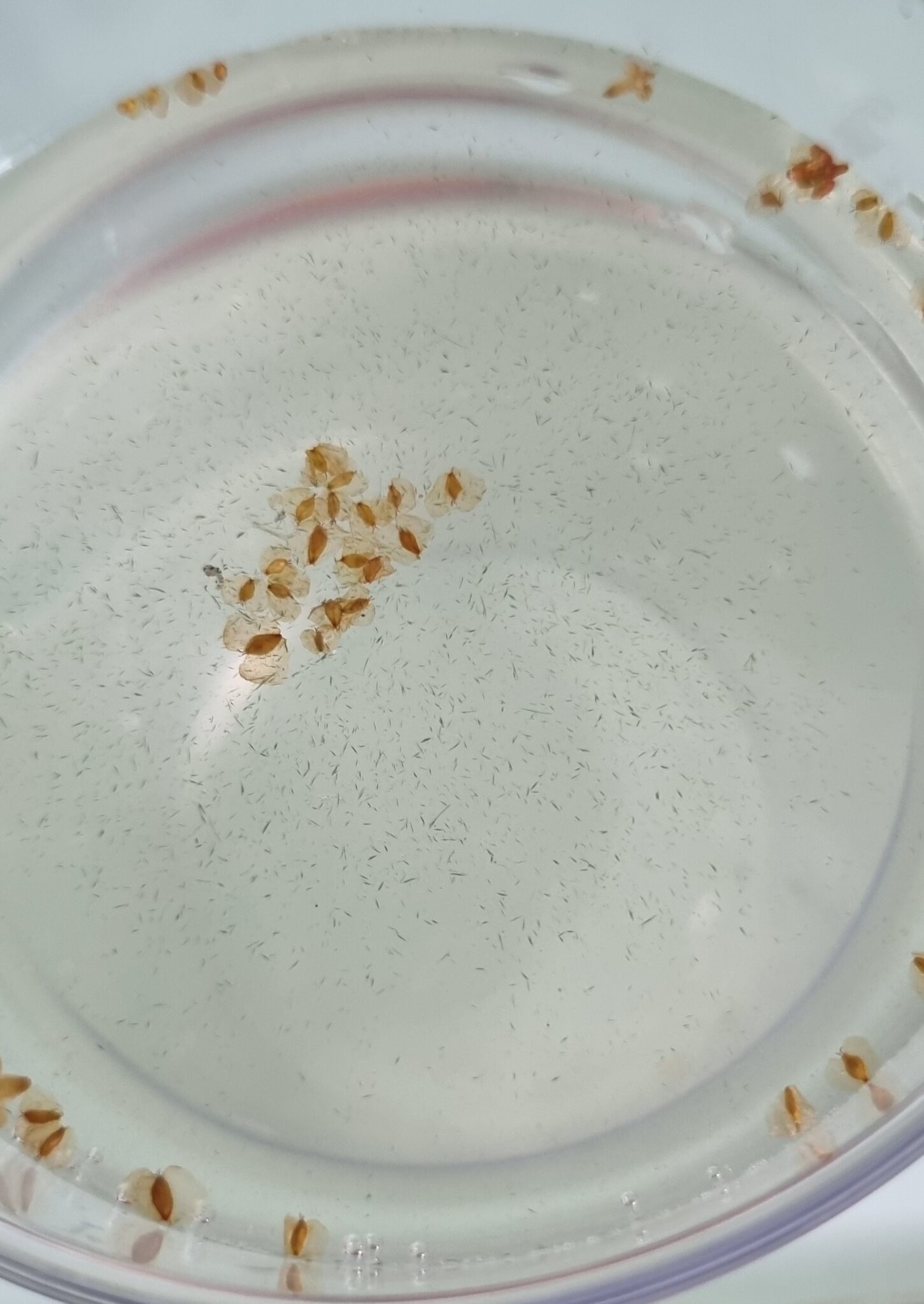
Blue-green algae monitoring training materials
The people who carry out blue-green algae monitoring have been trained to carry out monitoring with the help of webinars.
You can find the training materials from this link.
Water Backpacks
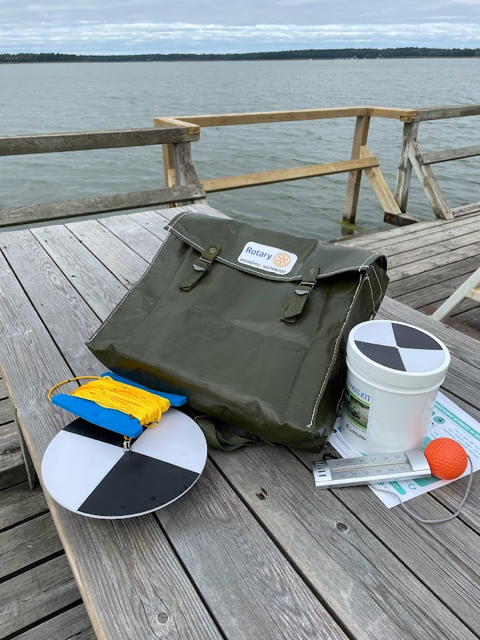
Rotarians have developed a Water Backpack system together with the Finnish Environment Institute (SYKE). Rotarians provide schools with a backpack containing equipment needed for water research free of charge. Students carry out measurements together with their teacher and record the results in the Järvi-Meri-Wiki database. This activity combines learning in biology, chemistry and information technology.
At the same time, it promotes open environmental data, as anyone can view the condition of water bodies in the database.
https://www.vesireppu.com/
https://www.youtube.com/watch?v=khTmN0YPXXo
https://www.facebook.com/groups/725404062484994
https://www.jarviwiki.fi/wiki/Etusivu
https://www.jarviwiki.fi/wiki/Havaintol%C3%A4hetti
District Water Backpack Webinar
Through this link you can watch the recording of the webinar held on 4 March 2024, which provides practical guidance on how to start monitoring water bodies and how to use the equipment.
