
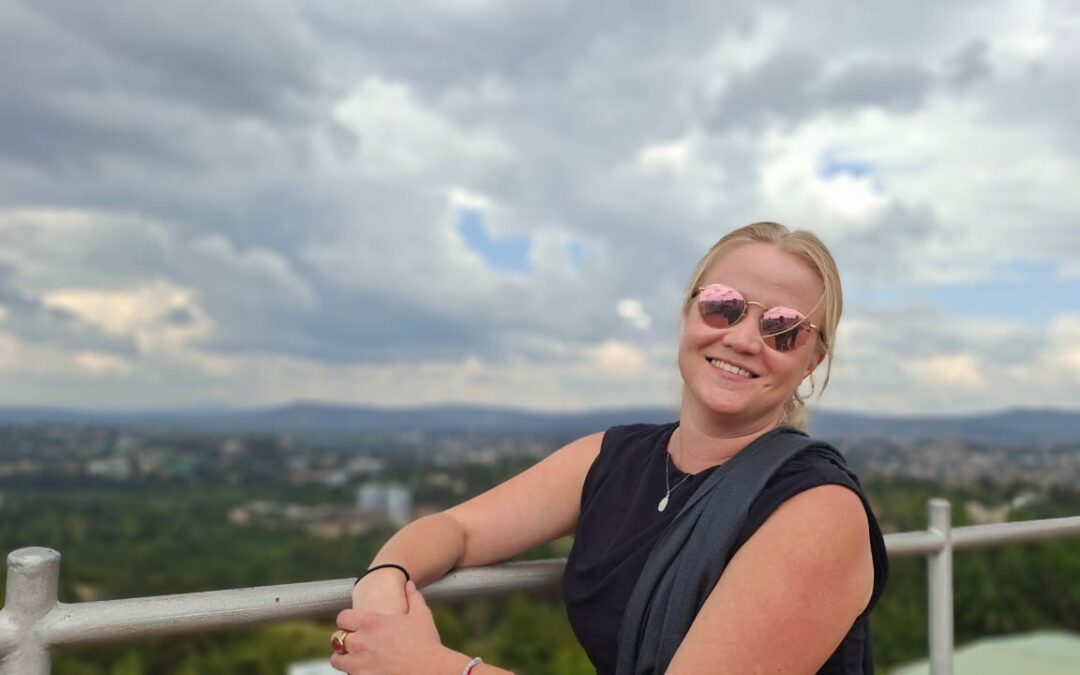
Anna Lundén, Rotary Peace Fellow 2025–2026
I spent nearly three months in Uganda late last year as a Rotary Peace Fellow at Makerere University in Kampala. The experience was eye-opening, challenging, intense and ultimately worth every single moment. For all of this, I am deeply grateful to Rotarians, my fellow Peace Fellows, and everyone who believes that peacebuilding begins with communication, shared stories, and acts of compassion – all the way to the most profound choices and sacrifices made in the name of peace.
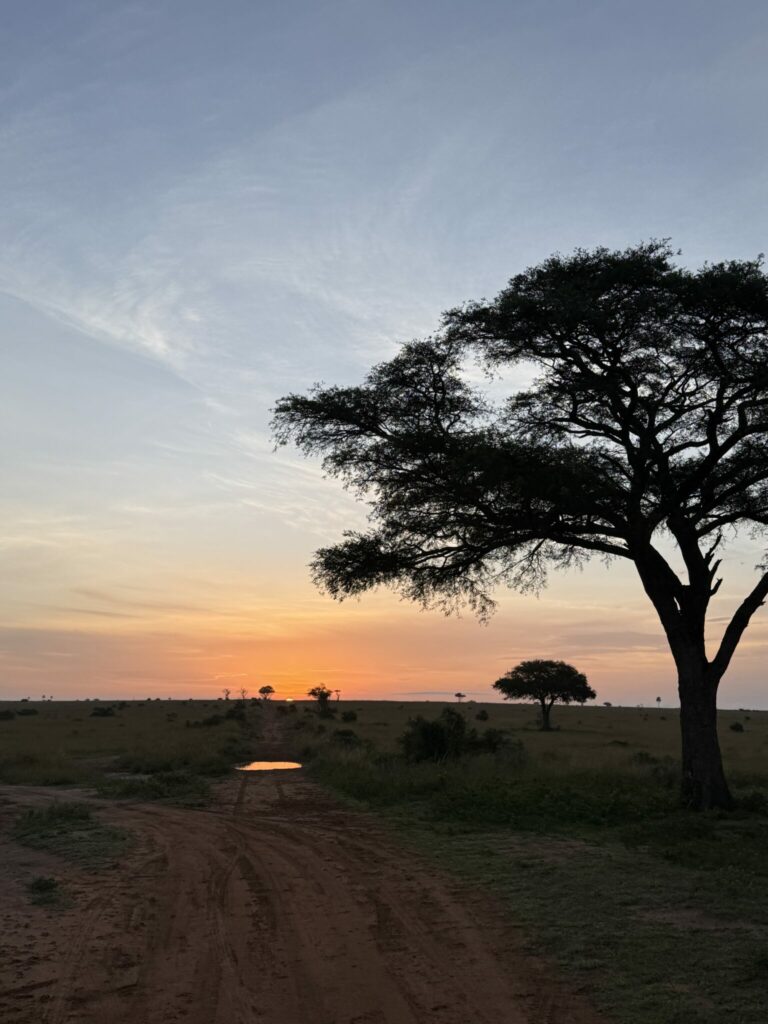
Dawn on the savannah, Murchison Falls National Park
Although I had travelled in a few African countries earlier in my life, I did not have a particularly clear picture of Uganda before arriving. I knew it was centrally located in East Africa, on the shores of Lake Victoria, and that it is rich in both natural resources and natural beauty. There was little time for preparation, however, as the studies at Makerere University – home to Rotary International’s only Peace Center in Africa – began already the day after my arrival, with great enthusiasm and open minds.
Intensive discussions on peace within the safety of the campus
The peace studies programme at one of Africa’s oldest universities was exceptionally well designed, diverse, and intensive. Our studies covered the many dimensions of peacebuilding and were built around dialogue, challenging each other’s worldviews, and learning to understand difference. Almost daily, we explored the root causes of conflict, conflict prevention, post-conflict recovery, and negotiation skills, viewed through different cultural and socio-economic perspectives.
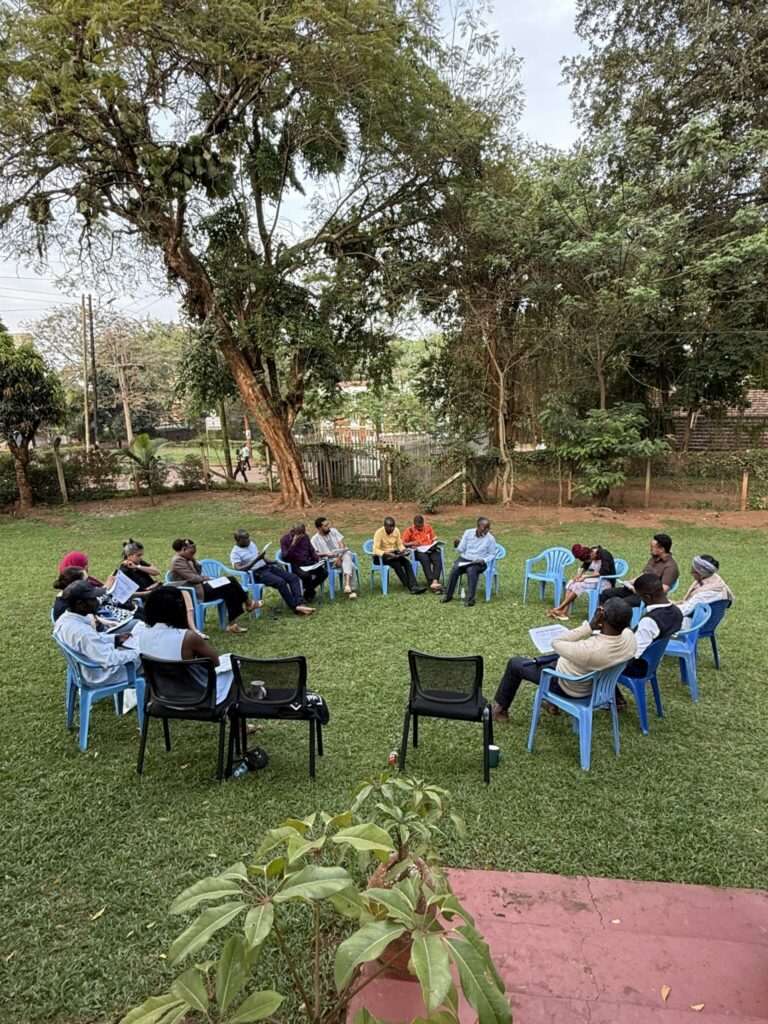
Studying outdoors on the campus.
Our cohort consisted of 16 Rotary Peace Fellows, all experts in different fields and specialised in various aspects of peacebuilding: security, law, human rights, environmental and development issues. I was the only communications professional in the group, and also the only Fellow from Europe. This brought its own challenges, but also added a valuable perspective to our discussions.
It was truly unique to be part of such a diverse group and to see how, despite our different backgrounds and cultures, we all shared the same goal: to contribute to a more peaceful and tolerant world. Examining conflicts, human rights, and values from different cultural perspectives was not always easy, and almost daily, our conversations became emotional, sometimes even heated.
I learned a lot from my fellow Peace Fellows and deeply valued having my own worldview challenged. If there is one thing I take with me from my African colleagues, it is their genuine kindness, openness, and care for others, which I experienced every single day. Perhaps the most important lesson of all was this: whatever emotions arose during lectures always stayed in the classroom – and when we headed out for lunch, we did so as friends.
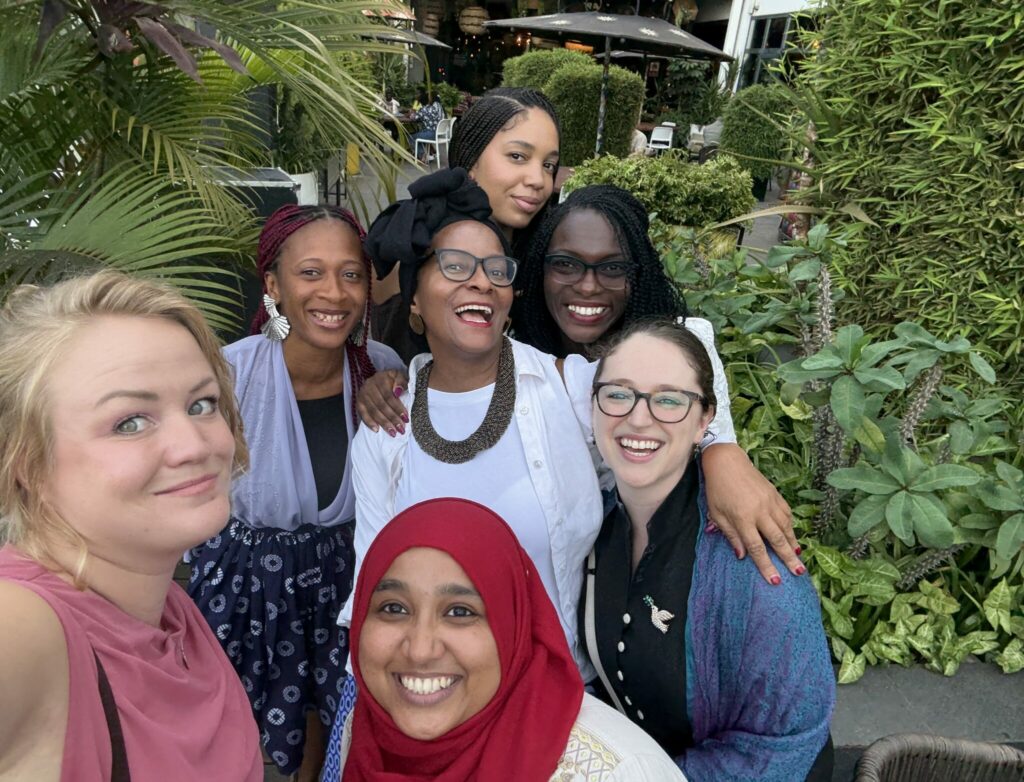
Peace fellows
We all lived together in university-provided accommodation and climbed the hill each morning to attend lectures in a building overlooking the campus, listening to different lecturers share their thoughts and perspectives on peacebuilding. Campus life felt safe and calm; from the classroom windows, we could watch storks nesting on the hillside and raising their chicks in the heart of this academic sanctuary.
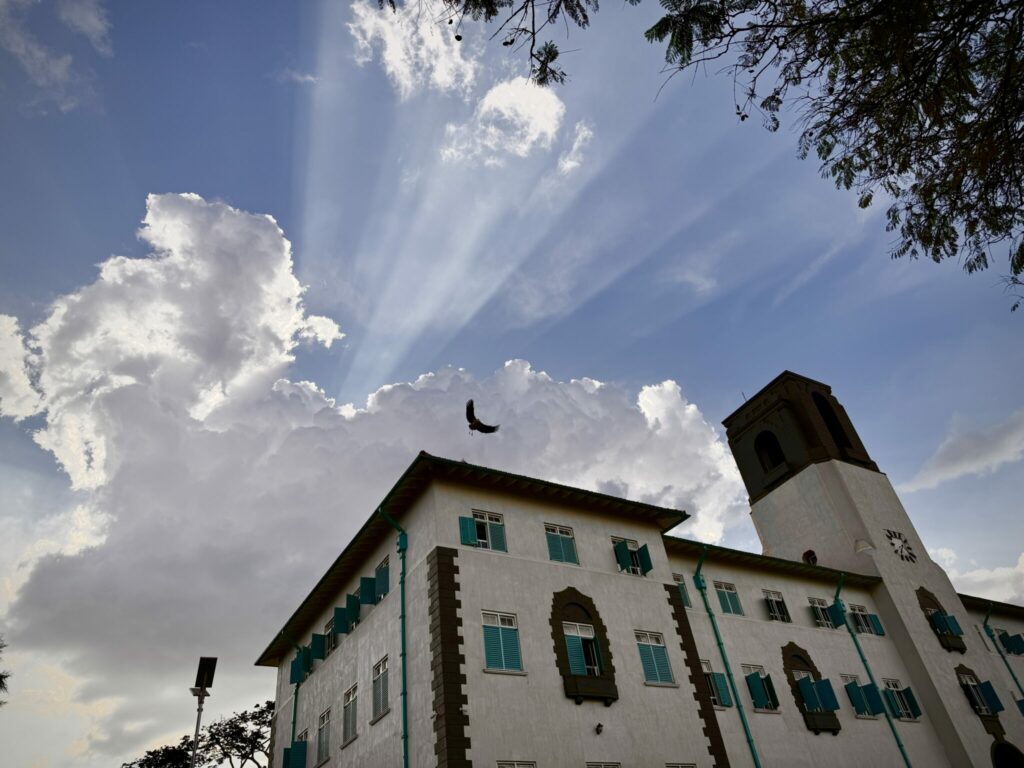
Stork over Makerere university
Reality beyond the university walls
Makerere University offered a beautiful and peaceful environment for studying peacebuilding, but the reality outside the campus walls was very different. The streets buzzed with bodaboda motorcycle taxis, which were often the “wisest” option if one did not want to sit in traffic for hours. Kampala is relatively safe, yet in parts, very poor. Between striking skyscrapers, the streets are filled with vendors and people offering all kinds of services.
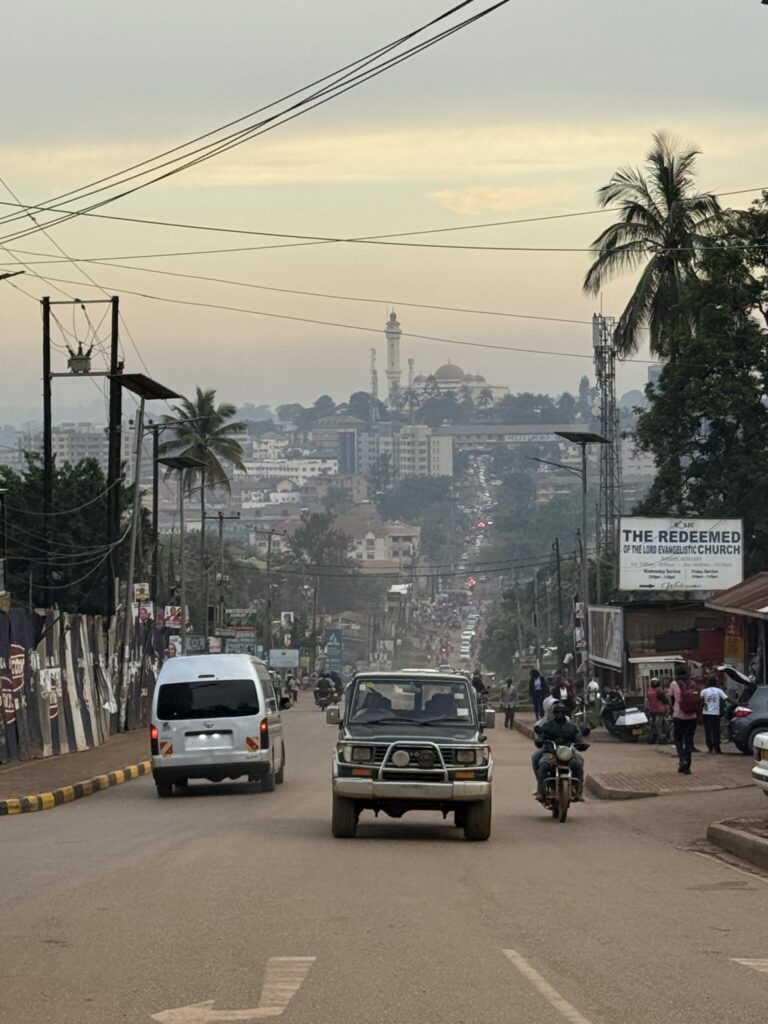
Kampala
Early in our studies, we visited one of the city’s largest slum areas and discussed local conflicts and peacebuilding based on community-led resources. The broader national context was also marked by the presidential elections held in January, which in the past have caused tensions and violence, particularly in the poorest areas.
During the three months, we undertook several field trips and met communities that had been forced to leave their home regions due to conflict or, for example, the activities of oil companies. Significant oil reserves had been discovered in Uganda a few years earlier, bringing both hope and new tensions. While agriculture remains the primary livelihood in this country of approximately 51 million people, the service and industrial sectors are growing. The population is very young, as in many African countries, and around 40 per cent still live in poverty.
Uganda’s openness raises important questions
What makes Uganda particularly significant from a peacebuilding perspective is its role as a major host country for refugees. Nearly two million refugees currently live in Uganda, and the country has received international recognition for its open and inclusive refugee policy. A key principle has been the belief that regional peace is better preserved when refugees are able to stay as close as possible to their home countries.
We visited one of Uganda’s largest refugee settlements in western Uganda, Kyangwali, home to around 150,000 people. The lush, seemingly endless area immediately dismantled the media-driven images many of us carry of refugee camps. The settlement was unfenced and peaceful. Daily life appeared in many ways ordinary: children went to school, people farmed the land, and ran small businesses. Refugees had been granted asylum, but also the opportunity to rebuild a dignified life with the support of national and international actors.
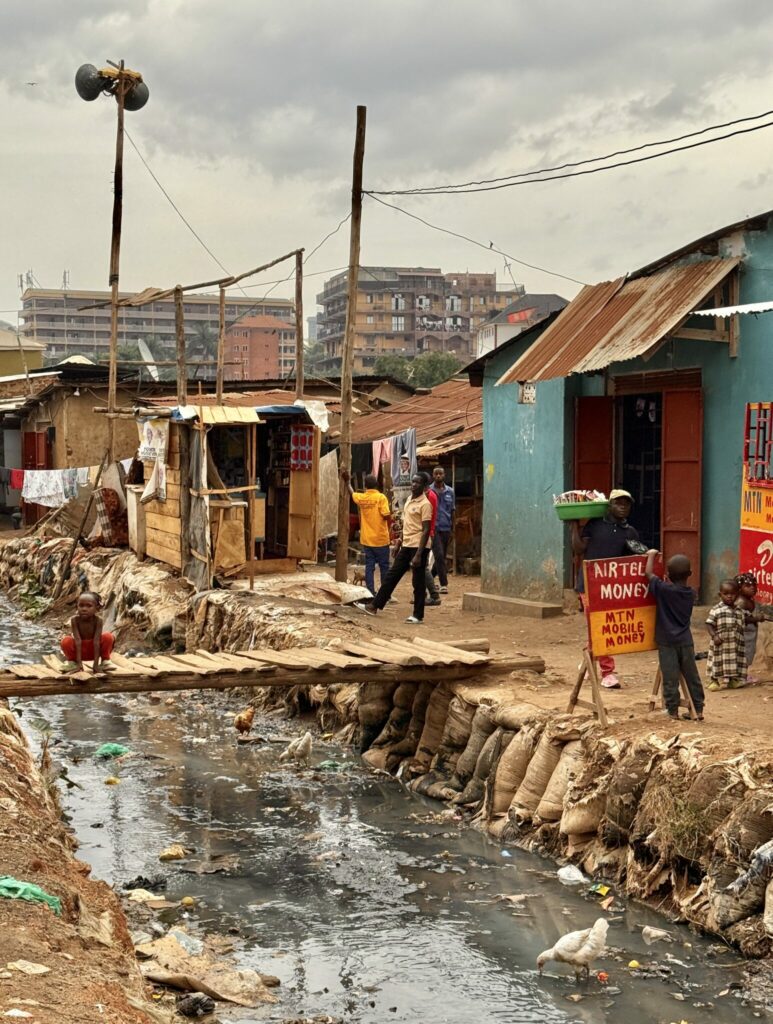
Visiting Kampala slums.
However, this inclusive policy has come under increasing pressure in recent years due to declining international funding and growing refugee numbers. Providing basic services has become more challenging, and the processing of new asylum claims places a heavy burden on the system. The status of refugees prompted much reflection: their legal situation is fundamentally temporary, yet life in the settlements is often long-term. When is the right time to move the conversation from temporality towards integration into local communities – and when should large refugee settlements give way to more permanent, socially integrated housing solutions?
From extremes to the core questions of peacebuilding
Towards the end of the year, we also visited Rwanda, with the aim of understanding how peacebuilding and society are reconstructed in the aftermath of genocide. At the memorial sites, I came to understand that the 1994 tragedy was not a sudden eruption of violence, but the result of decades of cultivated hatred, propaganda, and systematic division between people. During the conflict between Hutus and Tutsis, nearly one million people were killed in just three months – murdered by their neighbours – when deeply embedded ideas of human inequality moved from words into reality and became a core function of a racist society.
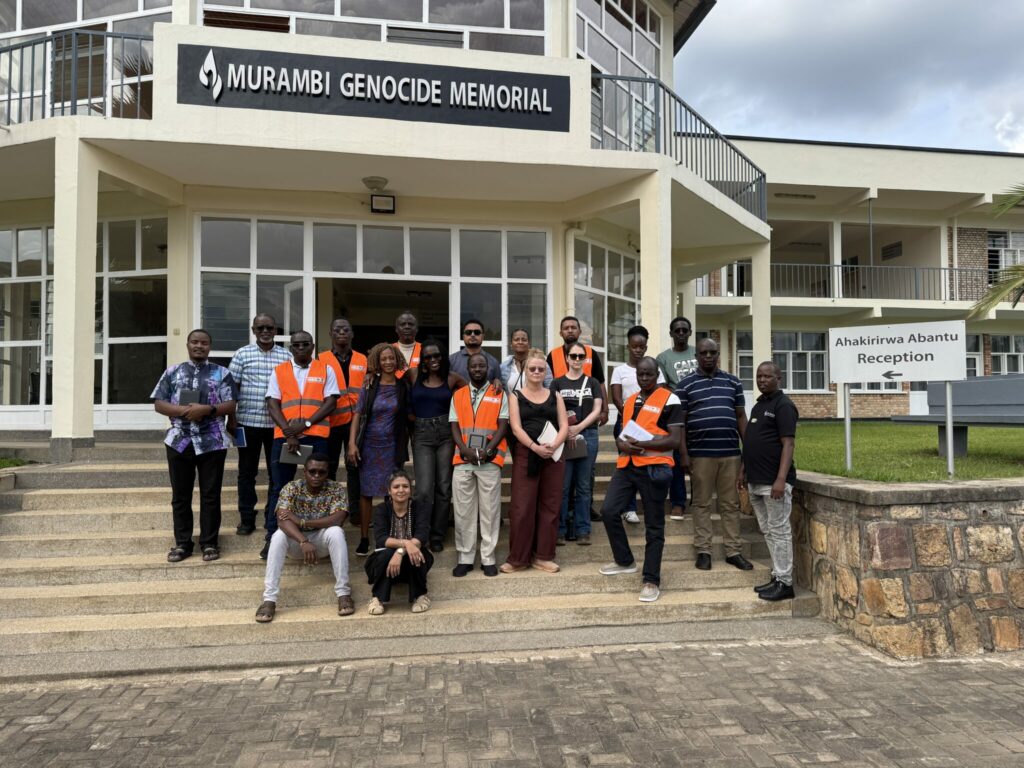
Murambi Genocide Memorial, Rwanda
The fact that an entire society, including its institutions, became complicit in violence revealed how fragile moral order can be. At the same time, the courage of individuals who chose to protect others served as a powerful reminder that even in extreme circumstances, human beings are also capable of resisting absolute evil.
The journey forced me to confront and reflect on the power of hate speech. In Rwanda, racist narratives became normalised gradually, but once violence began, it escalated rapidly and beyond control. This is why countering racism and dehumanising language is not merely a political issue, but the responsibility of every individual. Genocides do not begin with actions, but with words, and if those words go unchallenged, destructive developments can move faster than we realise.
Peacebuilding is the responsibility of every individual
Studying in Uganda and the experiences in Rwanda merged into one profound learning journey about how fragile, yet how buildable, peace truly is. I am deeply grateful to Rotary International for the opportunity to be part of such a unique community and to learn from fellow Peace Fellows, local communities, and peacebuilding professionals.
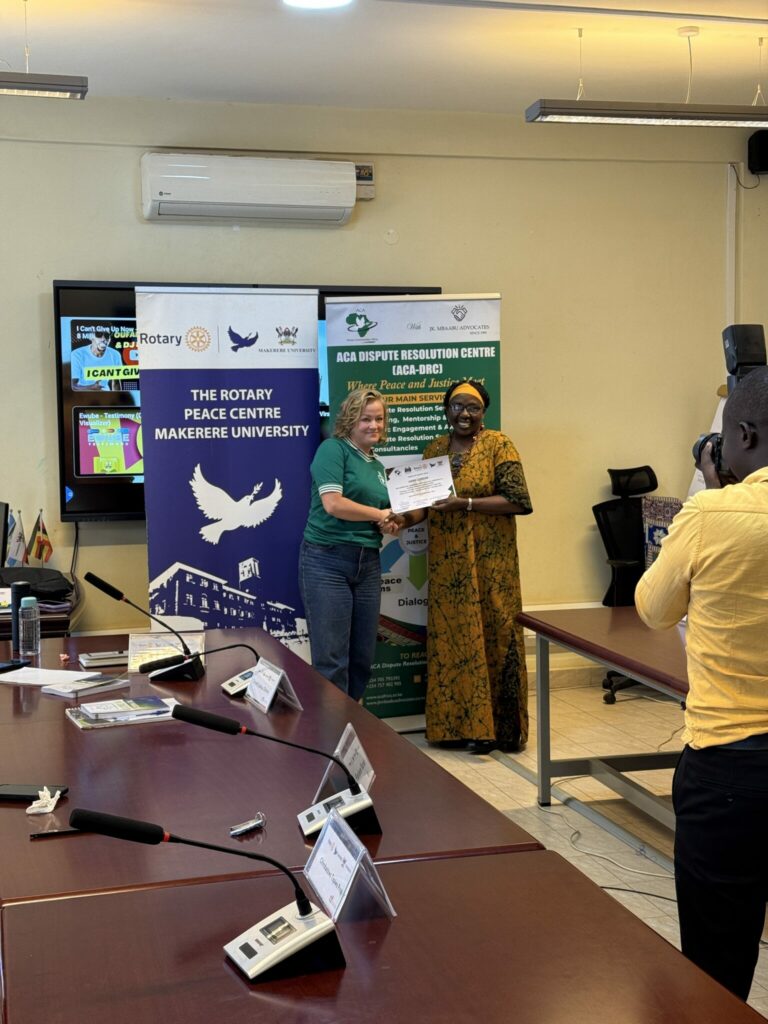
Mediation diploma done!
I also felt pride in Finnish expertise, in our tendency to view the world with open critical thinking, inclusivity, and a strong commitment to dialogue. Our shared discussions showed that diversity is not an obstacle but, when properly channelled, a tremendous strength. Although our perspectives often differed, our goal was always the same. Perhaps for this very reason, we had to dare to speak openly even about difficult topics, because only by articulating tensions can we learn to understand one another better.
These experiences strengthened my belief that peacebuilding is not a separate project nor an issue limited to conflict zones. Conflicts do not emerge “somewhere far away”; their seeds can take root in any country, society, community, or conversation. Peace is built through everyday choices: in how we speak to one another, how we relate to difference, and how we respond to injustice. Responsibility, therefore, does not rest solely with decision-makers or international actors, but with each and every one of us.
At the same time as we care for our own communities, we must also look beyond our borders. Nothing happens in isolation, and borders do not shield us from global dynamics. In our interconnected, constantly changing world, everything affects everything else – now perhaps more, and faster, than ever before.
You can learn more about our peace education project in slum schools and ways to support peacebuilding here: https://www.asante-ry.org/about-5
Read more about Anna and Rotary Peace Fellow program (in Finnish)
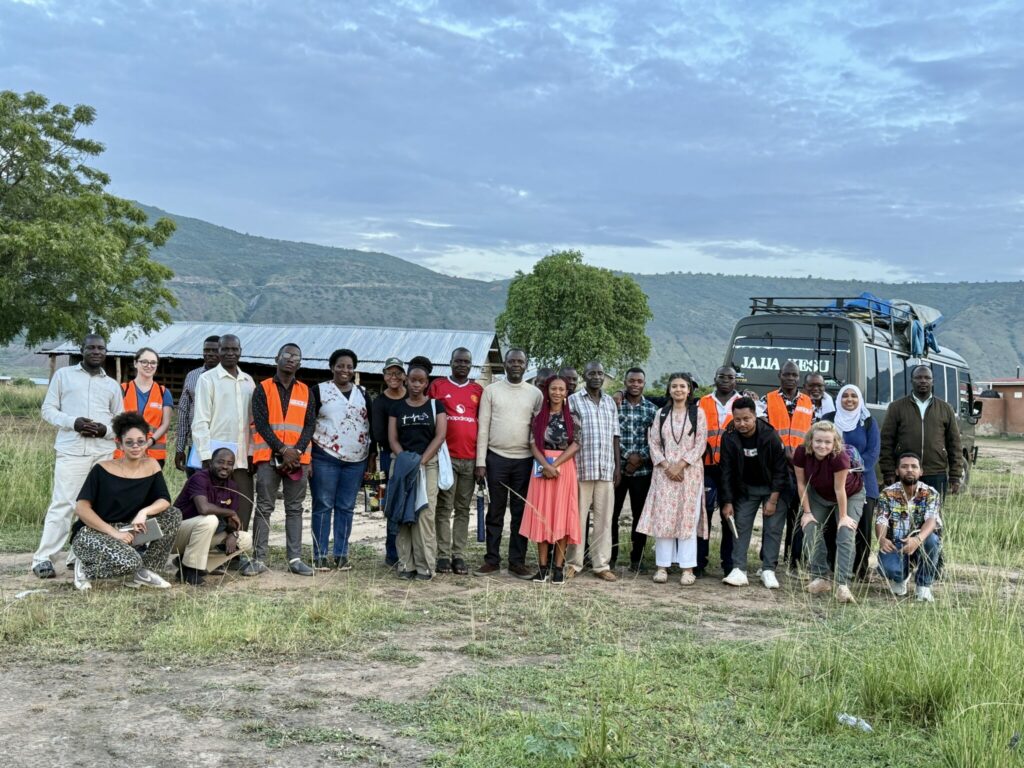
Peace fellows in Hoima.
